
Forleden hørte jeg forfatteren Kristina Stoltz i radioen fortælle om en thailandsk middag hendes hjemmeboende søn havde lavet. Den smagte rigtig godt, men bagefter fortalte han at han havde brugt AI undervejs. Han havde fx spurgt hvordan porrerne skulle skæres, og hvordan han skulle krydre den vegetariske version. Han havde vist spurgt fem-seks gange i løbet af madlavningen.
Stoltz har også skrevet om episoden i Politiken. Hun blev ked af det da hun fandt ud af hvor meget AI havde været involveret, for hun syntes sønnen i stedet skulle have sjusset sig frem de steder hvor opskriften ikke gav svaret, og dermed have lært noget om smag og råvarer gennem sine egne fejl. I radioen blev hun direkte spurgt om hun virkelig ville have foretrukket at retten havde smagt dårligere hvis han til gengæld havde lavet den uden AI, og det ville hun.
Det er interessant, for så handler diskussionen jo ikke længere om hvorvidt AI fører til et dårligere resultat. Tværtimod havde sønnen lavet en ret hun syntes var rigtig god. Problemet var selve måden han var nået frem til den på.
Men hvorfor er det egentlig bedre at sjusse sig frem?
Hvis man allerede er en god kok og ved en masse om thaimad, kan det selvfølgelig være lærerigt at improvisere. Hvis retten smager lidt forkert, kan man måske regne ud at den mangler syre eller fiskesauce eller chili og prøve sig frem. Men hvis man ikke ved ret meget om thaimad, er det ikke sikkert man lærer ret meget af bare at hælde tilfældige mængder krydderier i gryden. Man kan også bare ende med en dårlig ret uden at vide hvorfor den blev dårlig.
Jeg har selv prøvet noget meget lignende. I 2023 prøvede jeg at lave skotske crumpets efter en opskrift jeg havde fundet. De var ikke helt rigtige: De var for søde, ikke seje nok og manglede lidt syrlighed. Jeg beskrev problemerne for ChatGPT, som foreslog at fjerne sukkeret og ægget og bruge noget kærnemælk. Jeg prøvede igen, og efter et par iterationer mere blev de som jeg syntes de skulle være, bedre end nogen man kan købe i Skotland.
Lærte jeg mindre af det end hvis jeg selv havde prøvet mig frem gennem fem eller ti mislykkede portioner? Jeg kunne i hvert fald bagefter bedre forstå hvad de forskellige ingredienser gjorde. Kærnemælken gav den syrlighed jeg havde manglet, og ægget havde gjort den første version mere kageagtig. Mine smagsløg var jo ikke blevet erstattet af ChatGPT. Det var stadig mig der kunne smage forskellen.
Det minder mig om et læserbrev Kenneth Berg havde i Information forleden med overskriften »ChatGPT er beviset på, at vi sagtens kan undvære forfatteren«. Han tager udgangspunkt i hele den gamle diskussion om »forfatterens død«. Hvis en tekst kan stå alene, og forfatteren ikke har eneret på at bestemme hvad den betyder, hvorfor har vi så pludselig så svært ved tanken om tekster der slet ikke har en menneskelig forfatter?
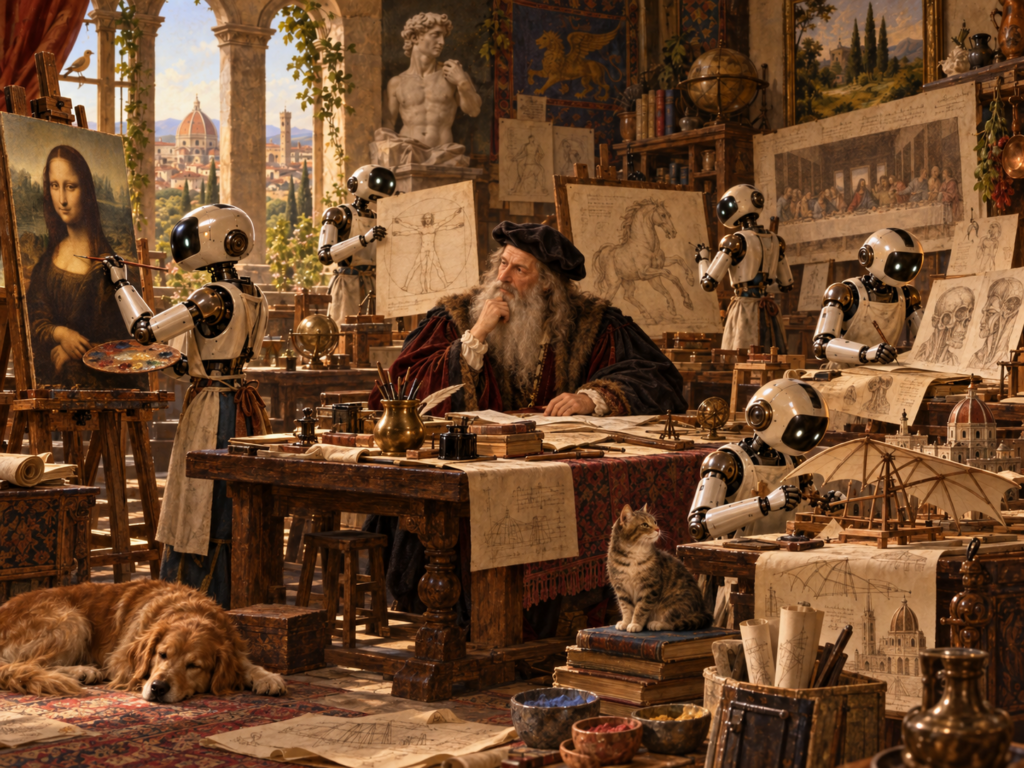
Det er et godt spørgsmål. Hvis jeg læser en novelle og bliver meget berørt af den, forsvinder den oplevelse jo ikke hvis jeg bagefter finder ud af at teksten blev skrevet af en AI. Og hvis det i morgen viste sig at Leonardo ikke havde malet Mona Lisa, ville det ikke pludselig blive et dårligt maleri. Vi ville naturligvis vide noget andet om det, og kunsthistorien skulle skrives om, men billedet ville være det samme.
På den måde gør AI det i hvert fald sværere at fastholde forestillingen om at et kunstværk først og fremmest er værdifuldt fordi kunstneren har lagt sin sjæl ind i det. Et værk kan sagtens fremkalde en følelse hos modtageren uden at nogen først har haft den samme følelse og puttet den ind i værket.
Men måske følger der ikke helt så meget af det som man umiddelbart skulle tro. Det kan også være at AI mest af alt gør det tydeligere hvor mange forskellige ting vi hidtil har samlet under ordet forfatter.
En forfatter får idéer, finder på personer, konstruerer et plot, skriver sætningerne, redigerer dem og beslutter til sidst at bogen er færdig. Men der er jo ingen naturlov der siger at alle disse ting skal udføres af det samme menneske.
Forfattere arbejder allerede meget forskelligt. Stephen King har fortalt at han tidligt fik rådet om at andet udkast skulle være første udkast minus ti procent. Han skriver altså for meget og bruger bagefter tid på at fjerne det overflødige. Det ville være et elendigt råd til mig. Jeg skriver som udgangspunkt for komprimeret, så jeg skal snarere bagefter tilføje beskrivelser, eksempler og overgange som jeg åbenbart havde glemt ikke automatisk bliver overført fra mit hoved til læserens.
Andre forfattere har andre problemer. Nogle er rigtig gode til dialog og ikke så gode til at finde på historier. Andre har masser af idéer og kan konstruere fantastiske verdener, men deres dialoger er træge. Nogle skriver fantastisk prosa, men kan ikke holde et plot sammen, mens andre kan holde styr på et kompliceret forløb over tusind sider uden nogensinde at skrive en sætning man får lyst til at læse to gange.
Hidtil har man i høj grad bare måttet tage hele pakken. Hvis ens yndlingsforfatter var fantastisk til plot og elendig til dialog, måtte man leve med dialogen.
Det behøver man måske ikke fremover.
En forfatter kan fx selv finde på hele historien og personerne, men bruge AI til at forbedre dialogerne. En anden kan selv skrive dialogerne, men bede om tyve forskellige forslag til hvordan historien kan udvikle sig. En tredje kan skrive hele første udkast selv og bruge AI som redaktør til at finde steder hvor teksten går for hurtigt, eller hvor en person opfører sig på en måde der ikke passer med det der tidligere er blevet sagt om vedkommende.
Og man kan gå meget længere. Hvis jeg beder en AI skrive tyve noveller ud fra den samme idé, læser dem alle sammen, smider atten væk og beder den kombinere de bedste dele af de sidste to, hvad er min rolle så? Hvis jeg derefter får fem forskellige slutninger, vælger én, beder om at få en bestemt person fra den første version tilbage og får hele historien skrevet om igen, hvem har så egentlig lavet novellen?
AI’en har skrevet ordene. Men jeg har valgt retningen, bestemt hvad der skulle overleve, og hvad der skulle smides væk. Efter mange iterationer vil resultatet være meget præget af mine valg selv hvis jeg ikke selv har skrevet ret mange af sætningerne.
Det minder lidt om fotografi. En fotograf kan tage 500 billeder og kun vælge tre ud. Ingen ville vel sige at de tre billeder kun er 3/500 fotografens værk fordi kameraet selv registrerede lyset. Udvælgelsen er også en del af arbejdet.
Det minder også om den måde mange store kunstnere arbejdede på i renæssancen. De havde værksteder med elever og assistenter som udførte dele af arbejdet. Mesteren sad ikke nødvendigvis personligt og malede hver eneste kvadratcentimeter. Han kunne lægge kompositionen, male de vigtigste partier, rette på elevernes arbejde og til sidst godkende resultatet.
Det har kunsthistorikerne levet fint med. Man kan skelne mellem et værk af Rubens, et værk fra Rubens’ værksted og et værk malet efter Rubens, uden at man derfor behøver mene at det kun er kunst hvis Rubens personligt har ført hver eneste penselstrøg.
Film fungerer endnu mere oplagt sådan. Instruktøren skriver ikke nødvendigvis manuskriptet, holder ikke kameraet, komponerer ikke musikken, syr ikke tøjet og spiller ikke alle rollerne. Alligevel kan det give god mening at tale om en film som fx en Kubrick-film eller en Bergman-film. Instruktøren har haft ansvaret for helheden.
Måske kommer forfatterrollen til at bevæge sig lidt i den retning. Den vigtigste person er ikke nødvendigvis den som har skrevet flest ord, men den som har bestemt hvilket værk der skulle komme ud af processen.
Så bliver det også mindre interessant at spørge hvem der har produceret flest tegn, og mere interessant at spørge hvem der traf beslutningerne. Hvem smed det dårlige væk? Hvem opdagede at en scene ikke fungerede? Hvem besluttede at noget mærkeligt skulle blive stående fordi det netop var meningen? Og hvem sagde til sidst: Nu er teksten færdig.
Det betyder naturligvis ikke at en AI bare skal gøre alle bøger »bedre« efter en eller anden standardopskrift. Finnegans Wake ville næppe blive bedre hvis ChatGPT foreslog tydeligere persontegning, mere naturlige dialoger og en lettere gennemskuelig handling. Så ville man bare få en anden bog – og den ville nok være dårligere end originalen.
AI kan altså ikke bare optimere en tekst på alle parametre. Den må bruges i forhold til det værk man faktisk prøver at skabe. Nogen skal stadig kunne se forskel på det sted hvor teksten er mærkelig fordi den ikke fungerer, og det sted hvor den er mærkelig fordi den skal være det.
Jeg oplever noget lignende i programmering. Jeg har arbejdet på Language Creator siden 1990’erne. I starten skrev jeg naturligvis selv al koden. Efterhånden skriver AI en større og større del af den konkrete kode, men jeg bestemmer stadig hvad systemet skal kunne, designer datastrukturerne, tester det og beslutter hvilke ændringer der skal ind.
Hvis man læser koden, er det i øvrigt også meget tydeligt at ChatGPT aldrig ville have skrevet systemet sådan fra bunden. Der er mere end tredive års arkæologiske lag i det. Gamle designbeslutninger ligger ved siden af nye moduler, og der er overgangsløsninger og mærkelige små kompromiser som kun giver mening fordi systemet har udviklet sig over meget lang tid.
Hvis jeg beder en AI skrive 200 linjer PHP der implementerer noget jeg har designet, er spørgsmålet om hvem der fysisk producerede tegnene, ikke nødvendigvis det mest interessante. Hvem ved hvad programmet skal gøre? Hvem kan afgøre om koden er rigtig? Hvem opdager at en teknisk elegant løsning er forkert fordi den støder sammen med en gammel designbeslutning et andet sted? Og hvem får bugrapporten bagefter?
Det er nogenlunde samme problem som med litteraturen. Vi har været vant til at produktionen og ansvaret lå hos samme person, så vi har næsten automatisk behandlet dem som det samme.
Det er også derfor det ville være lidt ærgerligt hvis fraværet af AI i sig selv blev en kunstnerisk dyd. Hvis en person har fantastiske idéer, men ikke er særlig god til dialog, hvorfor skal den færdige roman så nødvendigvis bevare den svaghed? Hvis en anden skriver strålende dialog, men ikke kan konstruere et plot, kan vedkommende nu få tyve mulige plots at vælge mellem uden først at skulle bruge to år på at skrive dem alle sammen.
Der kommer naturligvis også til at blive produceret ufattelige mængder elendig AI-litteratur. Når man kan bede om en roman på 100.000 ord og få den skrevet næsten uden arbejde, skal der nok være mennesker som publicerer den uden overhovedet at læse den først. Og så er det ikke deres værk.
Men det siger ikke ret meget om den anden ende af skalaen, hvor et menneske arbejder med en AI over hundreder af iterationer, smider det meste væk, ændrer retning, kombinerer idéer og til sidst står med noget som hverken mennesket eller AI’en ville have lavet alene.
Og så er vi tilbage ved thaikarryen.
Kristina Stoltz’ søn havde ikke fået en robot til at lave middagen mens han selv så fjernsyn. Han stod selv i køkkenet. Han skar porrerne, krydrede retten og smagte på den. Han brugte bare et værktøj til at få råd undervejs.
Måske lærte han noget af det, og måske gjorde han ikke. Det kommer vel især an på om han lyttede og huskede hvad han gjorde. Men det er svært at vide hvad de ekstra fejlslagne forsøg i sig selv skulle have lært ham.
Mormors erfaring er jo også kun nyttig fordi vi ikke alle sammen behøver gentage mormors fejl.
Ingen laver thaikarry ex nihilo. Mormor gjorde det heller ikke.
Og ingen burde skrive romaner på den måde heller.